Odor Removal After Flooding in AZ Homes
· By Apache Junction Water Damage
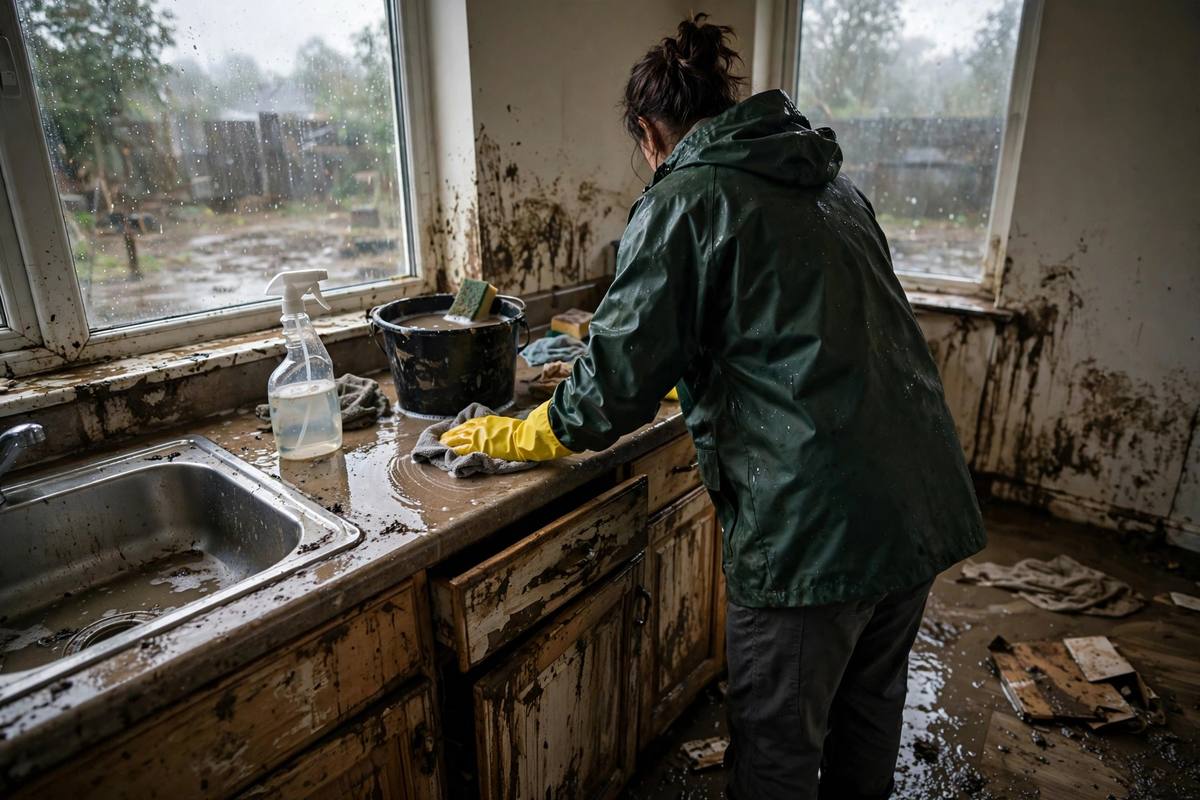
You dried everything, the floors look fine, but the house still smells like a damp basement every time the AC kicks on. Lingering odor after flooding is not just unpleasant — it is a symptom. Musty smells mean microbial growth is active somewhere, and masking the smell without finding the source lets the underlying problem keep growing.
Here is how to track down post-flood odors and eliminate them properly.
What Causes Post-Flood Odors
Hidden moisture
The most common cause: water trapped where drying never reached — inside wall cavities, under tile, beneath cabinets, in the subfloor. Even small damp areas feed microbial growth that produces musty volatile compounds.
Mold in concealed spaces
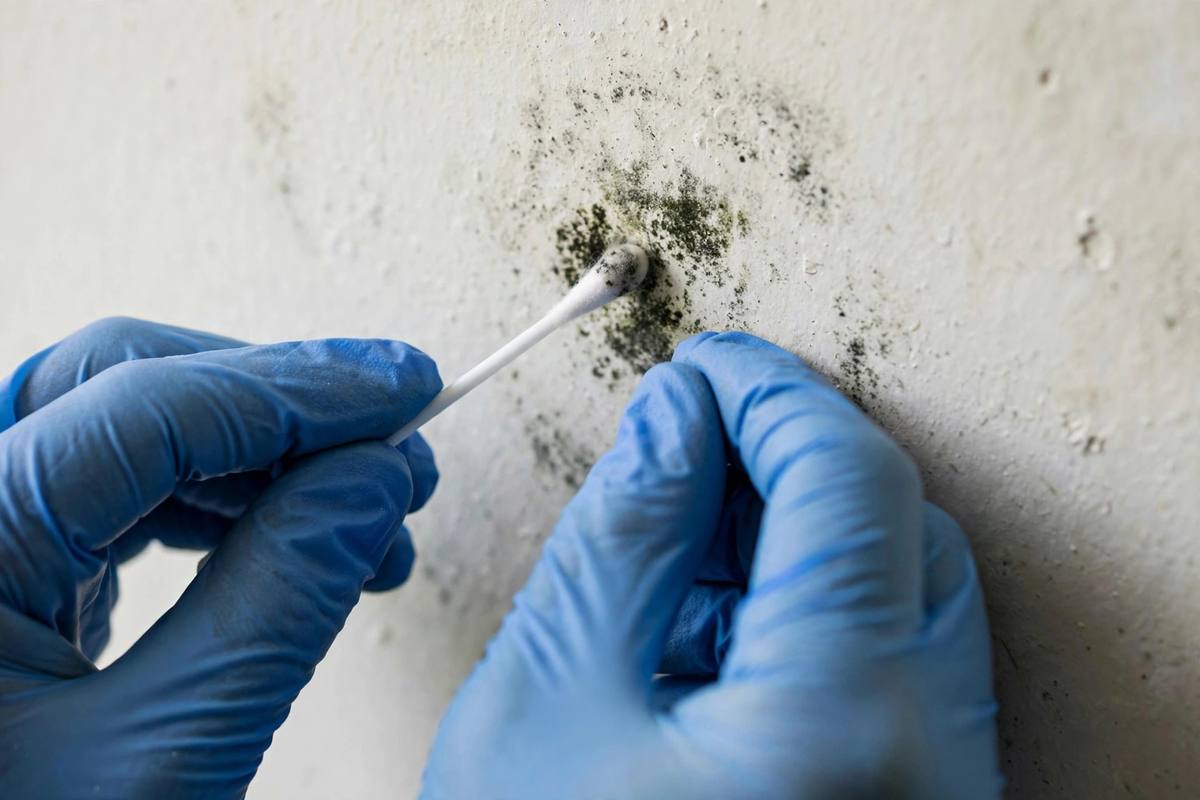
Mold growing behind baseboards, inside HVAC-adjacent cavities, or under flooring announces itself through smell long before it is visible. Our warm climate accelerates this.
Contaminated porous materials
Carpet pad, drywall, and insulation that absorbed floodwater hold odor-causing bacteria even after surface drying. If they were not removed or properly treated, they keep off-gassing.
HVAC distribution
Ductwork that got wet or pulled in contaminated air during the flood spreads odor — and potentially spores — to every room the system serves.
Finding the Source
Start with your nose: odors concentrate near their source, so check where the smell is strongest — often near baseboards, inside closets, or at HVAC registers. A moisture meter (or a professional with one) can confirm hidden dampness behind the smelliest areas. Thermal imaging reveals cold, damp patterns inside walls. And do not forget the HVAC: inspect ductwork and the air handler for moisture or contamination, especially if the system ran during or after the flood.
How Professionals Eliminate Odors
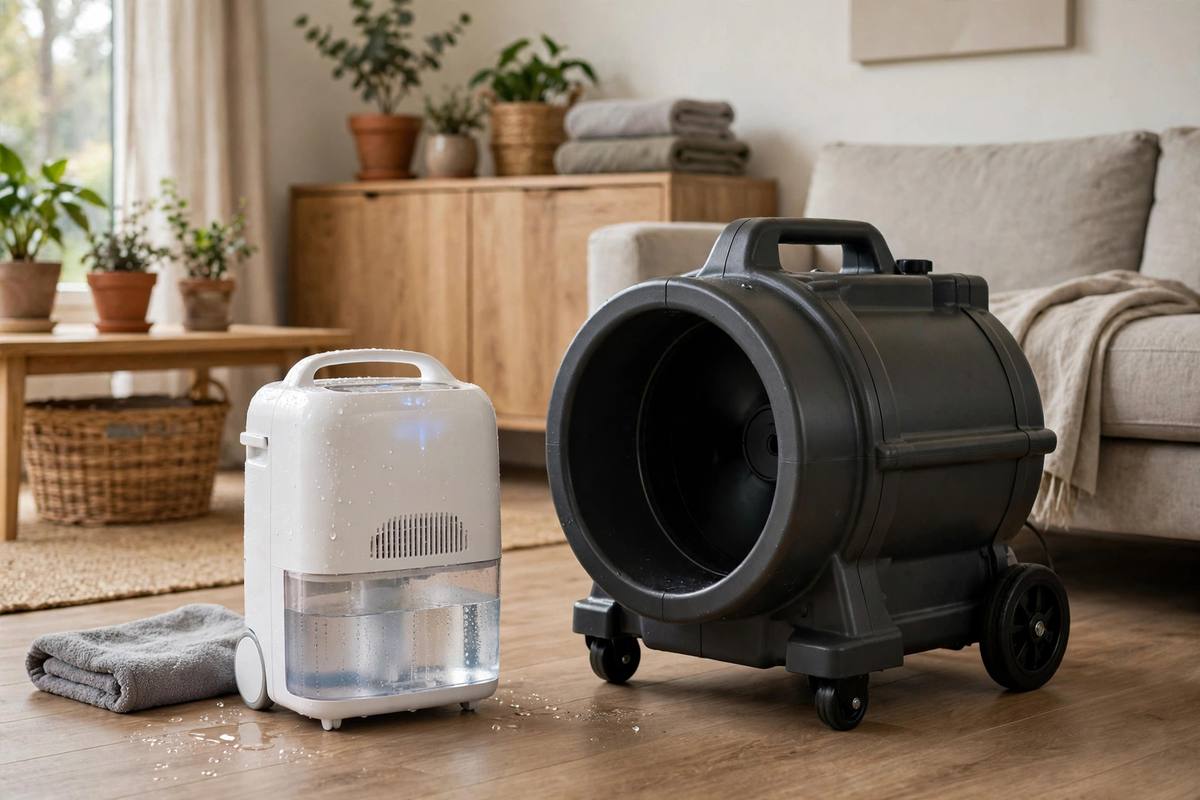
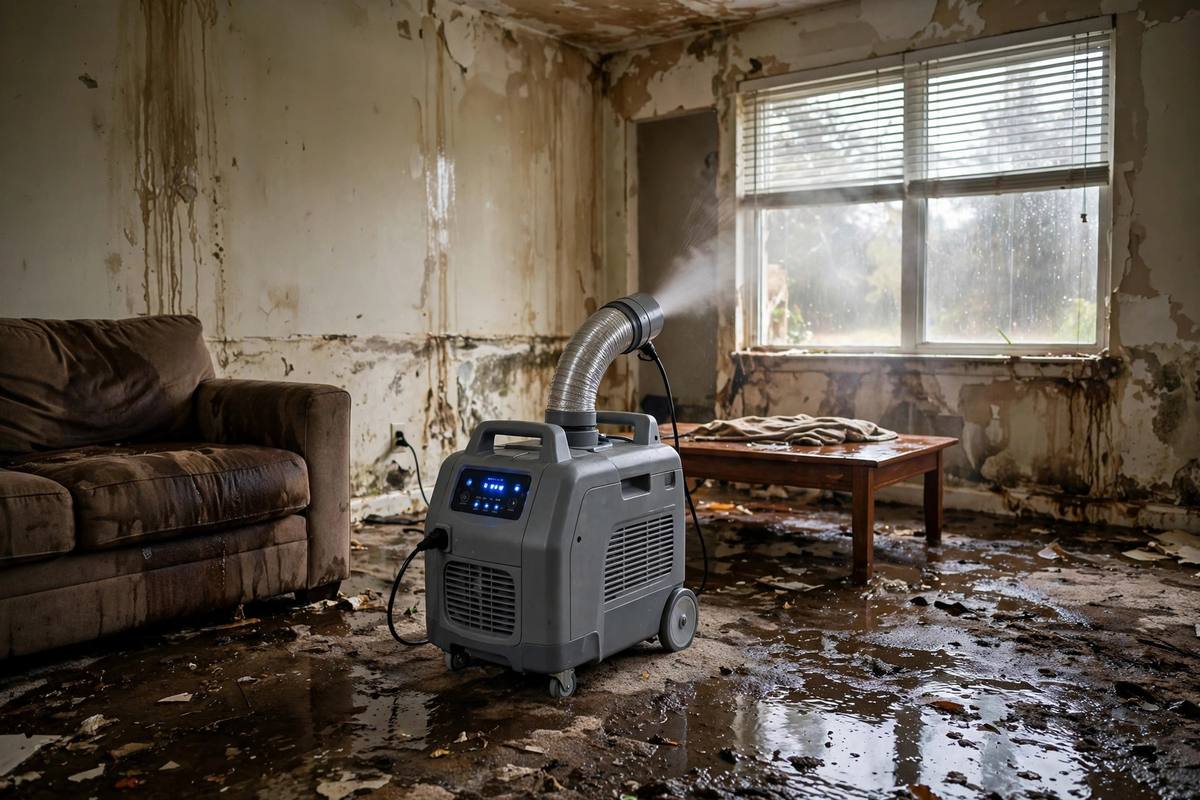
Real odor removal is source removal first: the wet drywall section, the contaminated pad, the moldy insulation must go. Airing out and deodorizing without removing the source is like spraying perfume on a problem. After source removal, professionals use HEPA air scrubbers to capture airborne particulates, apply antimicrobial treatments to affected structural surfaces, and use odor-neutralizing technologies — thermal fogging or hydroxyl generators — that break down odor molecules rather than masking them. Crucially, everything is then verified dry with meters, because any remaining moisture restarts the whole cycle.
What Does Not Work
Scented candles, plug-in air fresheners, and odor-masking sprays only cover the smell temporarily while the source keeps growing. Ozone generators sold to homeowners can damage lungs, rubber, and fabrics when misused, and they do not fix moisture. Baking soda on carpet helps minor smells but cannot reach contamination in the pad or subfloor. If an odor persists more than a week or two after drying, stop masking and start investigating.
Persistent post-flood odor is a sign you need professional assessment. Our network's water damage restoration providers include moisture investigation and mold remediation when hidden growth is the culprit — eliminating the source, not the symptom.
Read more recovery guidance from local water damage experts.
Your HVAC's Role in Lingering Odors
When musty odors persist after everything looks dry, the HVAC system is a prime suspect. Ductwork that was wet — or that pulled in contaminated air while the system ran during the flood — harbors odor-causing microbial growth on its interior surfaces and distributes the smell to every register in the house. The evaporator coil and drain pan are particularly vulnerable: a pan that held stagnant water grows a biofilm that perfumes the entire air supply.
Addressing HVAC-related odor starts with inspection: a professional looks inside the air handler, checks the coil and pan, and examines accessible ductwork. Contaminated components get cleaned and treated with EPA-registered products, and in severe cases sections of ductwork or insulation may need replacement. Upgrading to a fresh, high-quality filter after the work is done prevents recirculating whatever was captured. If the odor concentrates at registers when the system runs, do not keep masking it — have the system checked.
Still smelling mustiness after a flood? Find the source — call (408) 357-2008. We connect you with local providers for moisture investigation and odor elimination across the Phoenix metro.