Mold Testing vs Mold Inspection: AZ Homeowner Guide
· By Apache Junction Water Damage
When Arizona homeowners suspect mold, they usually search for "mold testing" — but what most of them actually need first is a mold inspection. The two services answer different questions, cost different amounts, and are performed differently. Understanding the distinction saves money and gets you to the right solution faster.
Here is the plain-English breakdown.
What a Mold Inspection Does
A mold inspection is a professional assessment of your home for mold growth and the moisture feeding it. A qualified inspector visually examines suspect areas, uses moisture meters and thermal imaging to find hidden dampness, checks HVAC systems and attics, and traces moisture to its source. The deliverable is a findings report: where mold is (or is likely to be), what is causing the moisture, and what remediation scope is recommended. For most homeowners, this is the right starting point — it answers "do I have a mold problem and where is it coming from?"
What Mold Testing Does
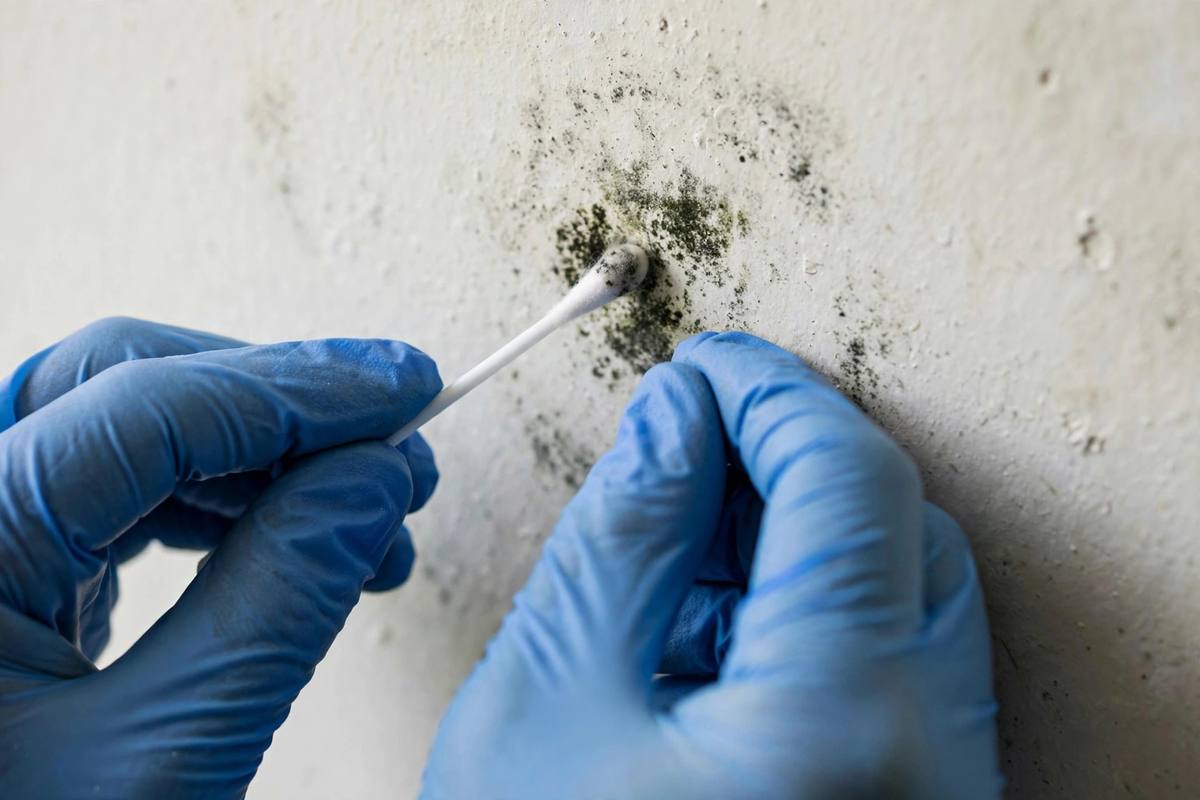
Mold testing (sampling) identifies the types and concentrations of mold present. Common methods include air cassette sampling (comparing indoor spore counts to outdoor baseline), surface swabs or tape lifts (identifying what is growing on a specific surface), and bulk sampling of materials. Results come from a laboratory, usually in a few days. Testing answers a narrower question: "what species are present and in what quantities?"
When You Need Each
Start with an inspection when…
You see or smell suspected mold, you have had a leak or flood, you are buying a home and want peace of mind, or mold keeps returning after cleaning. The inspection finds the problem and its cause — which is what you need to fix it.
Add testing when…
Someone in the home has unexplained symptoms and a doctor wants data, you need documentation for an insurance claim or legal dispute, post-remediation verification is required to prove the job worked, or the inspection finds something unusual that warrants identification. Testing is also useful when no visible mold exists but hidden growth is strongly suspected.
Skip testing when…
You can already see the mold. Laboratories will tell you what species it is, but visible mold needs remediation regardless of the species name on the report — the cleanup protocol is essentially the same. Paying for testing before an inspection often just delays the actual fix.
Red Flags in the Mold Industry
Be cautious of companies that push expensive testing before any inspection, that recommend testing they also profit from remediating without clear justification, or that use scare tactics about "toxic mold" without evidence. Also be wary of anyone who offers to both test and remediate without explaining the conflict of interest — independent verification has real value. A reputable provider explains what each service will and will not tell you before you pay for it.
After the Assessment: Remediation
Whether you start with inspection or testing, the endpoint is the same if mold is found: the moisture source must be fixed and the mold professionally removed. Our network's mold remediation providers handle containment, HEPA filtration, removal of contaminated materials, and moisture-source correction. For suspected black mold situations, specialized black mold removal protocols provide thorough, safe cleanup.
Get straight answers from professional water damage help in Apache Junction on mold concerns in desert homes.
Post-Remediation Verification
There is one more scenario where testing earns its keep: after remediation is complete. Post-remediation verification (often called clearance testing) confirms the cleanup actually worked — typically through visual inspection plus air or surface sampling compared against baseline or outdoor control samples. It answers the question every homeowner asks after paying for remediation: is it really gone?
Clearance testing is especially valuable when the original problem was extensive, when occupants have health sensitivities, or when documentation is needed for a real estate transaction or insurance file. For best credibility, the verification sampling should be done by someone independent of the remediation company. A clean clearance report is the period at the end of the mold story — proof that the moisture source was fixed, the growth was removed, and the home is back to normal conditions.
Suspect mold in your home? Start with the right assessment — call (408) 357-2008. We connect you with local providers for inspection and remediation across the Phoenix metro.